
If you run a business today whether it’s a local shop, an online service, or a freelance operation.
you’ve probably heard the phrase digital marketing more times than you can count.
But here’s the honest truth most people won’t say out loud:
A lot of business owners still don’t really understand digital marketing for business.
They know it’s “important,” but they’re not sure why, how, or where to even begin.
And that confusion is exactly why so many businesses either:
- Avoid digital marketing completely, or
- Spend money on random tactics that don’t work
In 2026, that gap is getting more expensive.
This guide is written for business owners, founders, freelancers, and small business decision-makers who want a clear, simple, practical explanation without jargon, hype, or agency nonsense.
Let’s break it down properly.
Table of Contents
How Business Has Shifted Online (And Why Marketing Looks Different Now)
Ten or fifteen years ago, businesses grew through:
- Word of mouth
- Physical locations
- Print ads
- Cold calls
- Local visibility
Today, most buying journeys start somewhere else entirely.
They start online.
Before someone:
- Walks into your shop
- Calls your number
- Fills out a form
- Sends a WhatsApp message
They usually:
- Google the problem
- Check reviews
- Visit your website
- Look at your social presence
- Compare alternatives
This shift has changed how trust is built.
Marketing is no longer about shouting the loudest.
It’s about being visible when people are already looking.
That’s where digital marketing comes in.
What Is Digital Marketing for Business?
In simple terms:
Digital marketing for business is how you attract, engage, and convert customers using online channels.
That’s it. No buzzwords needed.
Instead of relying only on offline methods, digital marketing uses the internet to:
- Help people find you
- Understand what you offer
- Trust your brand
- Take action
Real-World Examples of Digital Marketing
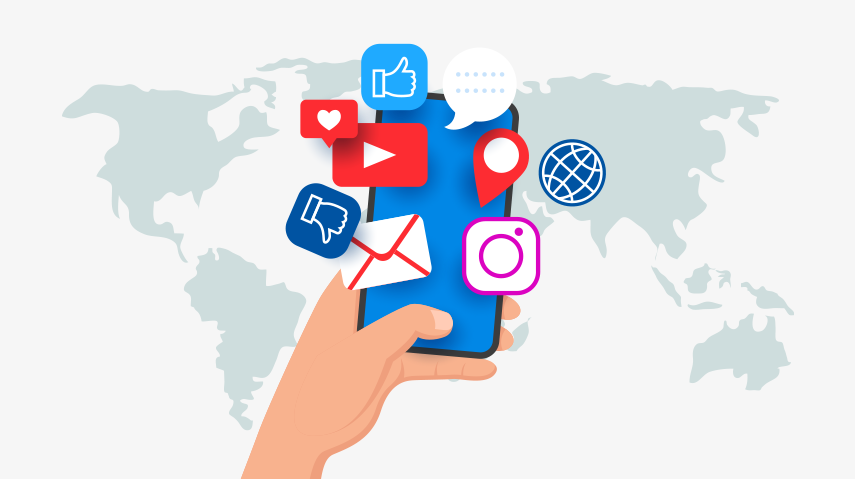
Digital marketing isn’t one thing. It’s a system made up of parts that work together:
- Website – Your online home and credibility check
- SEO (Search Engine Optimization) – Helping people find you on Google
- Content – Blogs, videos, guides that educate and build trust
- Social Media – Visibility, connection, and proof of presence
- Paid Ads – Faster visibility when done right
- Email Marketing – Staying in touch and nurturing leads
- Online Listings & Reviews – Especially important for local businesses
You don’t need all of these at once.
But ignoring them completely is no longer realistic in 2026.
Why Digital Marketing Matters More Than Ever in 2026
Digital marketing has always been useful.
In 2026, it’s becoming non-optional.
Here’s why.
1. Customer Behavior Has Changed Permanently
People don’t ask, “Who do I know?” first anymore.
They ask:
- “Who’s best near me?”
- “Which option has good reviews?”
- “Who looks trustworthy online?”
If your business doesn’t show up—or looks outdated—you’re skipped silently.
2. Online Discovery Is the New First Impression
Your website, Google listing, and content now act as:
- Your salesperson
- Your brochure
- Your reputation
Even offline businesses are judged online before contact happens.
That’s the real importance of digital marketing for business today.
3. Competition Is Everywhere
Your competitor isn’t just the shop across the street anymore.
It’s:
- The brand ranking above you on Google
- The freelancer with better content
- The company running smarter ads
Digital marketing helps you compete based on clarity and relevance, not just budget.
4. Trust Is Built Through Visibility
Businesses that show up consistently online feel:
- More established
- More reliable
- More legitimate
Silence often looks like risk.
Key Benefits of Digital Marketing for Businesses
Let’s get practical. These are the real digital marketing benefits that matter.
Get Found Online
If people can’t find you, they can’t choose you.
Digital marketing helps your business appear when someone searches for:
- A problem you solve
- A service you offer
- A solution they need now
Build Brand Awareness (Without Being Pushy)
Good digital marketing:
- Educates instead of interrupts
- Helps instead of pressures
- Builds familiarity over time
This is especially powerful for service-based businesses.
Generate Leads Consistently
Unlike one-time promotions, digital marketing builds systems:
- Content that keeps bringing traffic
- SEO that compounds
- Email lists that grow
It turns attention into opportunity.
Track What Actually Works
One of the biggest advantages of online marketing for business is measurement.
You can see:
- Where leads come from
- Which pages convert
- What content performs
That clarity alone saves money.
Cost-Effective Compared to Traditional Marketing
You don’t need massive budgets to start.
Digital marketing allows you to:
- Start small
- Test
- Improve gradually
Which makes it ideal for growing businesses.
Do Small Businesses Really Need Digital Marketing?
Short answer: Yes.
Long answer: Yes—but realistically.
Digital marketing for small businesses doesn’t mean:
- Running ads everywhere
- Posting daily on every platform
- Hiring an expensive agency
It means building basic online foundations so people can:
- Find you
- Trust you
- Contact you
Even local and offline businesses benefit from:
- Google visibility
- Reviews
- A simple website
- Clear messaging
In many cases, digital marketing is what keeps small businesses competitive against larger brands.
Simple Ways to Get Started (Without Overwhelm)
You don’t need to do everything at once. Start here.
1. Get the Website Basics Right
Your website should:
- Clearly explain what you do
- Load fast
- Work on mobile
- Make it easy to contact you
It doesn’t need to be fancy—just clear.
2. Set Up Your Google Business Profile
This is huge for local businesses.
It helps you:
- Appear in local searches
- Collect reviews
- Show legitimacy
Often overlooked, always powerful.
3. Focus on SEO Slowly
SEO isn’t magic. It’s alignment.
Start with:
- Pages that match what people search for
- Clear service descriptions
- Helpful content
SEO is long-term, but it compounds.
4. Create Simple, Helpful Content
You don’t need to be a “content creator.”
Just answer:
- Common customer questions
- Buying concerns
- Simple explanations
That alone builds trust.
5. Maintain One Social Presence
Choose one platform your audience uses.
Show up consistently.
Be real.
Be helpful.
That’s enough at the start.
6. Track the Basics
At minimum, know:
- Where inquiries come from
- Which pages people visit
- What leads to contact
Guessing slows growth.
How Strategy Fits In (And Why It Matters)
Many businesses fail with digital marketing not because it doesn’t work but because there’s no direction.
If you want to understand the strategic side better, I’ve explained it in detail in my previous blog post:
“What Does a Digital Marketing Consultant Do?”
That article breaks down:
- Strategy vs execution
- Why clarity matters
- How businesses waste money without guidance
It connects directly with what you’re learning here.
You can also explore more beginner-focused insights on the DigitalAbdul , where I document this journey step by step.
Digital Marketing in 2026: The Bigger Picture
Digital marketing isn’t about trends anymore.
It’s about:
- Being visible where decisions are made
- Building trust before the first conversation
- Creating systems instead of chasing tactics
The businesses that win in 2026 won’t be the loudest.
They’ll be the clearest.
Final Thoughts: Start Small, But Start Now
The importance of digital marketing for business isn’t theoretical anymore.
It shows up when:
- Customers don’t find you
- Competitors outrank you
- Leads slow down
- Growth feels unpredictable
The good news?
You don’t need to master everything.
You just need to start intentionally.
Build the basics.
Improve gradually.
Learn what works for your business.
That’s how digital marketing stops feeling overwhelming and starts becoming an advantage.
And if you’re learning as you go, you’re already doing it right.
2 Responses